Affiliate Disclosure: This post may contain affiliate links. Some may earn us a commission at no additional cost to you. As an Amazon Associate, I earn from qualifying purchases. Thank you for supporting My View from the Porch!
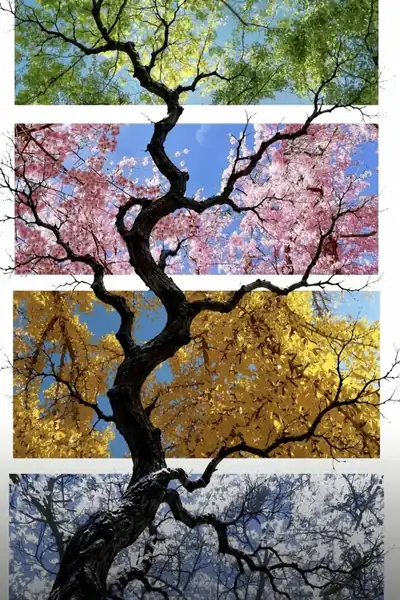
Seasonal walks are one of the easiest ways to make a familiar place feel new without going anywhere new at all. Pick one park, street, trail, garden, town square or waterfront and return to it through the year. The route can stay exactly the same as the season ~ and the assignment ~ changes.
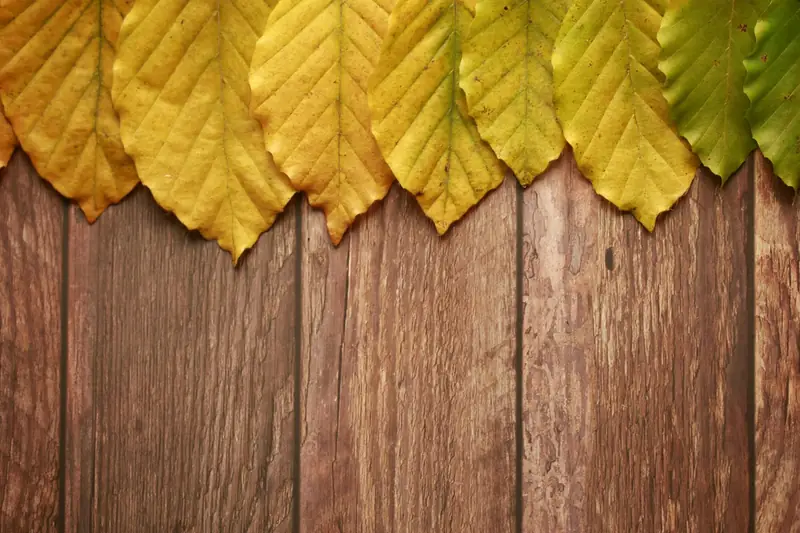
Winter may show you what summer hid. Spring answers the question of what came back. Summer fills in the scene until familiar landmarks nearly disappear. Fall edits everything again, sometimes one leaf at a time.
The point is not to walk farther, faster or better. It is to become curious about a place you thought you already knew. Henry David Thoreau says it beautifully:
“Live in each season as it passes; breathe the air, drink the drink, taste the fruit, and resign yourself to the influence of each.” ~ Henry David Thoreau
It’s My View From The Porch’s wandering and discovering with a twist: don’t think of it as the same walk four times but rather as you taking four different walks in the same place.
1
Start With a Place Where You Can Return
Choose somewhere ordinary enough that returning is realistic. It doesn’t have to be a destination. In fact, the less impressive or unusual it seems at first, the better your experiment can become.
A neighborhood loop works. So does the path around a school, a nearby park, a cemetery, a riverwalk, a garden, a main street, a farm road or the same stretch of beach. You are looking for a place with enough trees, buildings, water, wildlife, gardens or human activity to notice change throughout the year.
Choose an anchor point: a bench, a tree, a bridge, a porch, a dock, a bend in the trail, a church steeple, a view down the street. Your anchor becomes the place you check every season.
TRY THIS: Stand in the same spot and take one photograph each season. Don’t worry about making it beautiful. The comparison is the interesting part.
2
It’s Winter: what was hidden?
Winter is a surprisingly good place to begin because it removes so much of the scenery we usually rely on.
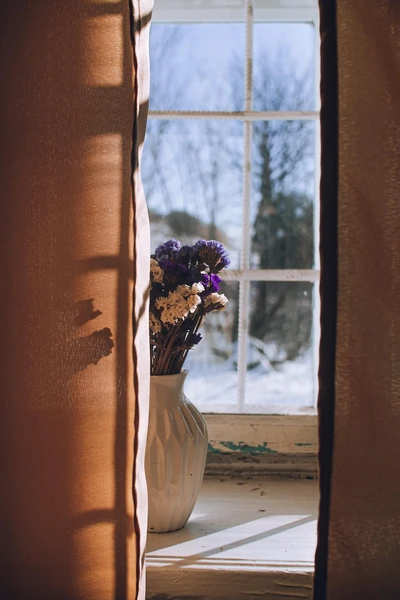
Leaves are gone. Flower beds are quiet. Outdoor tables disappear. The landscape looks stripped down, which gives a turn to the structure underneath. I chose this picture to remind you that even if you are inside, the magic of walking through all 4 seasons also unfolds right through your window. Choosing a view you can see every day is another perfect way to connect with each season by seeing what else you can notice out there. Use as many senses as you can in appreciation of your view from your real or metaphorical porch.
Look at the branches themselves. A mature tree can be every bit as dramatic without leaves, especially when you can finally see the sweep of the limbs, the old breaks, the crooked places, and the nests tucked high above you. “The sweep of the limbs” is such a great phrase!
Then look beyond the branches. Rooflines appear. Stone walls continue farther down than you realized. A creek becomes visible through woods. Old houses show their whole shape. Smoke comes out of chimneys. A distant hill that vanished in July suddenly exists again.
Wildlife leave different clues too. Tracks cross snow or mud. Evergreens become obvious because almost everything around them has gone neutral. Birds are easier to spot in bare branches, and last year’s nests raise a good question: who will come back to the neighborhood in a few months? You debate whether you’ll gather pinecones and put them in a basket, make ornaments, or maybe try turning them into sunflowers. The sunflower craft does actually look do-able, even for me!
While you’re out there though, LOOK FOR: branches, old nests, animal tracks, evergreens, seed heads, bark, stone walls, rooflines, distant views and the shape of the land itself.
ASK: What can I see now that I couldn’t see six months ago?
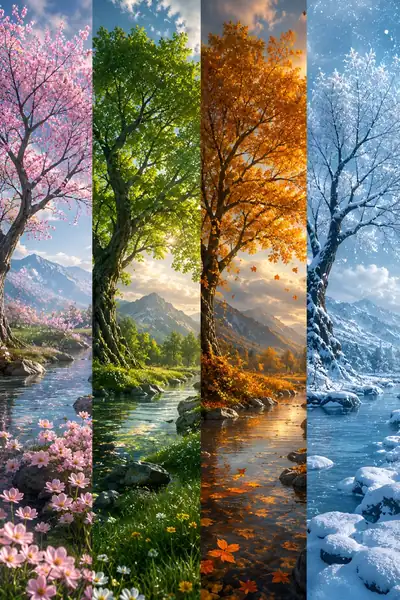
3
It’s Spring: what came back?
Spring rewards the repeat visitors because the changes arrive in pieces.
The first green can be almost absurdly bright against a landscape that has been gray and brown for months. Bulbs appear before the trees are fully awake. Buds swell. Birds get louder. Water moves differently after rain and snowmelt. A garden that looked abandoned begins quietly proving otherwise.
This is also the season for looking at the same branches you studied in winter. Are birds inspecting the old nest? Is a new one being built? Which trees leaf out first? Which ones make you wait long enough to wonder whether they survived?
Also notice people are returning too. Benches get used again. Porch chairs come back outside. Windows open. Bikes appear. Ball fields fill with players. The place does not simply become greener; it becomes occupied again.
LOOK FOR: first leaves, bulbs, flowering trees, nests under construction, birds returning, moving water, muddy edges, open windows, porch furniture and the first places people gather.
ASK: What returned first – and what am I still waiting for?
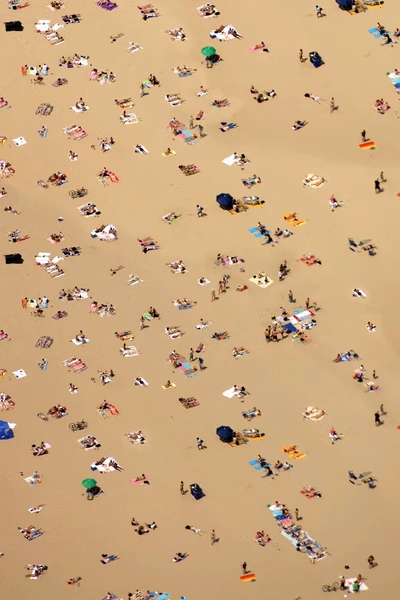
4
Now it’s Summer: what filled in?
By summer, the same place can become almost unrecognizable.
Tree foliage fills the sky and creates shade where winter had none. Views disappear behind leaves and bushes. Gardens spill outward. Insects and birds add movement. Water attracts people. Patios, porches and picnic tables become part of the landscape again.
This is a season of abundance, but also concealment. What can no longer be seen? That stone wall from winter may be buried behind ivy, wisteria, and morning glories. The nest may have vanished inside a canopy. A building you studied in February may now be only a glimpse between branches.
Summer also changes the human map of a place. Which shady bench is suddenly most valuable? Where do people stop for ice cream, sit after dinner, fish, launch kayaks, or listen to music? Where do they linger because the light stays late?
LOOK FOR: shade, full tree canopies, flowers, insects, birds, gardens, outdoor tables, busy water, evening light and anything that has disappeared behind green.
ASK: What is full now – and what’s become hidden?
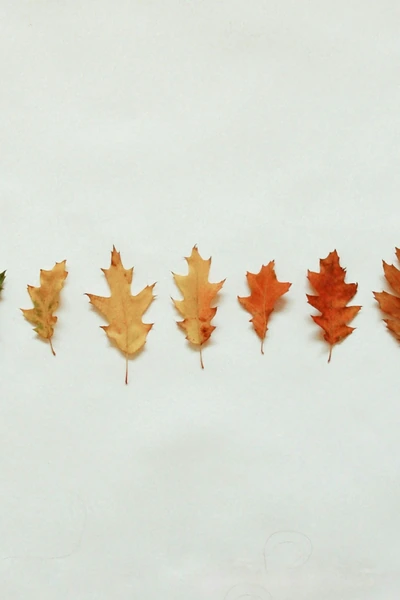
5
Fall Arrived: what’s changing?
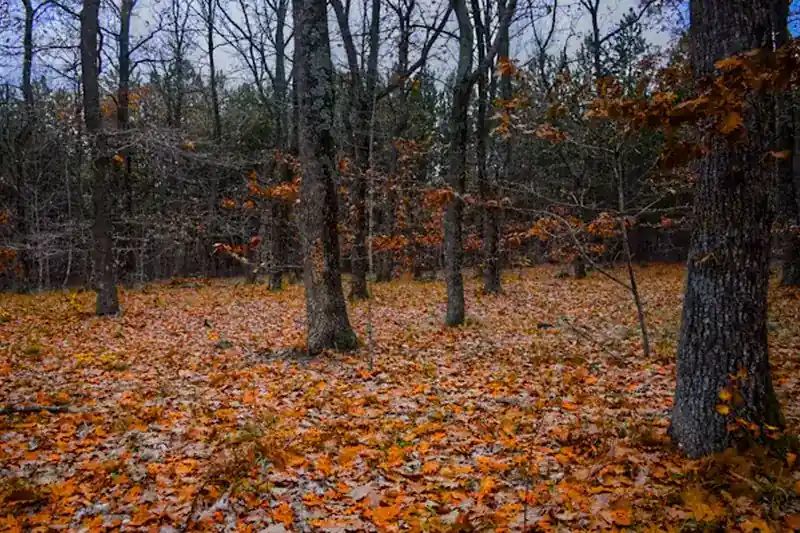
The beauty of Fall. Color is only part of the story.
Fall is the season when change becomes easy to watch. One tree turns before the others. Seed heads replace flowers. Fields are cut. Gardens fade. Birds gather or pass through. The light starts coming in from a different angle, and shadows stretch across places that looked entirely different back in June.
Instead of waiting for peak foliage, watch the transition. Which tree turned first? Which one refuses to let go? What stays green after almost everything else has changed? Notice which view begins reopening as leaves come down.
Fall also has a human layer. We transition our porches from summer annuals and ferns to carefully selected mums & pumpkins. We walk more and drive where we can admire the leaves. Then not long after, holiday greens begin replacing those mums. It’s like a handoff from one season to the next.
LOOK FOR: changing color, migrating birds, seed heads, harvested fields, fading gardens, longer shadows, first bare limbs, seasonal decorations and the things that remain green.
ASK: What is leaving, what is lingering and what’s becoming visible again?
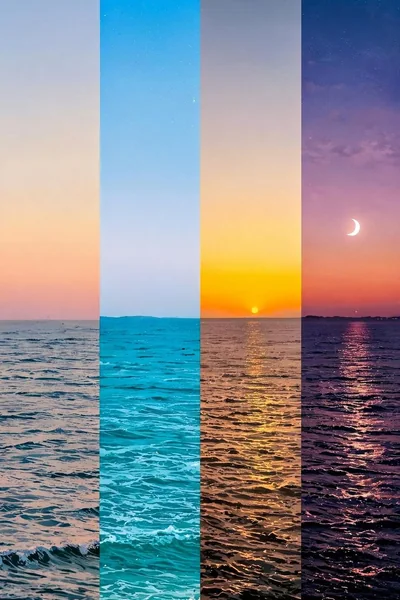
6
Keep One Thing Constant
You don’t need to document everything so that you remember. You surely can but one constant will make the changes easier to notice.
Photograph the same tree. Sit on the same bench. Walk the same mile. Look across the same pond. Stand at the same corner. Notice the same garden. Check out where the people go. Do they come and go, or do they linger?
Over time, you’ll start noticing that your familiar place is never actually the same place twice!
A branch that looked empty holds a nest. A view that stretched for miles disappears behind leaves. A patch of dirt becomes a wall of flowers and then seed heads. A quiet waterfront fills with boats and empties again. You can keep the four photos in your phone, print them, or do absolutely nothing with them. The value is in having looked closely enough to notice the difference.

7
The Four Seasonal Walks Where You Live
Not everybody experiences crocus blooming in the snow, tulips, humid summers, or blazing fall leaves. That’s okay and normal – every climate brings it’s own special seasonal changes. No snow doesn’t break the idea.
Your seasons may be wet and dry. Your cousin might have a tourist season and quiet season – or a hurricane season and months of calm weather. I have have months when certain backyard birds arrive and I know the months when they typically leave. Wildflower season, monsoon season, harvest season, or the short stretch when it is finally pleasant enough to eat outside.
Look for birds migrating. Shop windows updating for the new season with decorations or new releases. Use this idea to give you reason to take notice and appreciate exactly where you are.
The calendar matters less than the cycle. Return when the place changes.
THE QUESTION IS STILL: What can I see now that I could not see last time?
Same Path. 4 Scenes
When you first consider the concept, there’s a tendency to think Wander & Discover requires a new destination. Sometimes it does, but not usually. If you walk your neighborhood or drive the way each day, great – expand your vision right there. But if you want to go somewhere new or experiment, you can and you should!
Go somewhere you have never been. Follow a road. Visit the next town. Find the museum nobody in your family has entered or simply a memorable building or space. Plan your seasonal walks in a familiar space or somewhere brand new.
The experiment is in going back, and repeating that same seasonal walk through spring, summer, fall and winter. As you do, make the point stand in the same place. Look for what disappeared, what returned, what filled in and what was hiding in plain sight.
The distance never changed. Your view did. This is why Wander & Discover is special to us – because every idea and every story is awesome.
🌿 More soon from the porch.
Explore More Articles
Discover more stories, ideas, inspiration, and everyday moments from My View From the Porch…
My View From the Porch
We’re a small, independent space for noticing and participating in everyday life with humor, heart, honesty, and curiosity. The porch is less about where you sit and more about how you look at the life happening around you.
Thanks for reading, sharing, and supporting our small business.
Come find your seat on the porch → myviewfromtheporch.com